
Across Europe, the bread and bakery products market remains massive and pivotal… yet has undergone profound transformation. With the structural decline of certain traditional consumption patterns and the rise of snacking, premium products and convenience, packaging needs are evolving rapidly.
A robust European market… but one undergoing change
The bakery market in Europe remains huge:
- Around 42 million tonnes consumed, worth nearly €158 billion
- A growing market, with an annual growth rate of around 5.8%
- Bread remains a staple food in all European countries
But this stability masks a profound transformation. For example, we see that traditional consumption has fallen in several countries. Practical and distinctive products are on the rise. From one country to another, consumption patterns reveal significant cultural diversity (North vs South, artisanal vs industrial).
Implications for packaging: a market with very high volumes… but one that is fragmented and segmented according to use.
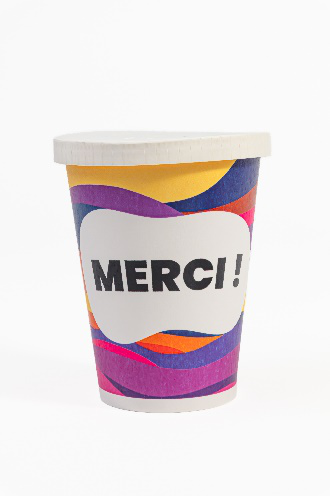
The major shift in Europe: convenience & snacking
Across Europe, the prevailing trend is the same: the rise of “convenience food”
- Ready-to-eat or easy-to-takeaway products
- Individual and on-the-go formats
- The growth of coffee shops and urban snacking
In the UK, for example, growth is driven by products that are pre-sliced, pre-packaged or designed for quick consumption.
More broadly across Europe, innovation is focused on the portability and flexibility of formats.
Premiumisation & enjoyment: a key driver (particularly in the bakery sector)
Another major trend in Europe is the move towards premium bakery products:
- Cakes and pastries account for the largest share of the market (27%)
- Development of ‘indulgent’ products (pleasure, elaborate recipes)
- Coffee shop culture → increased focus on sweet treats
Consequently, products require packaging that showcases them visually, protects more delicate elements (icing, filling) and creates a premium experience (texture, ease of opening, design).
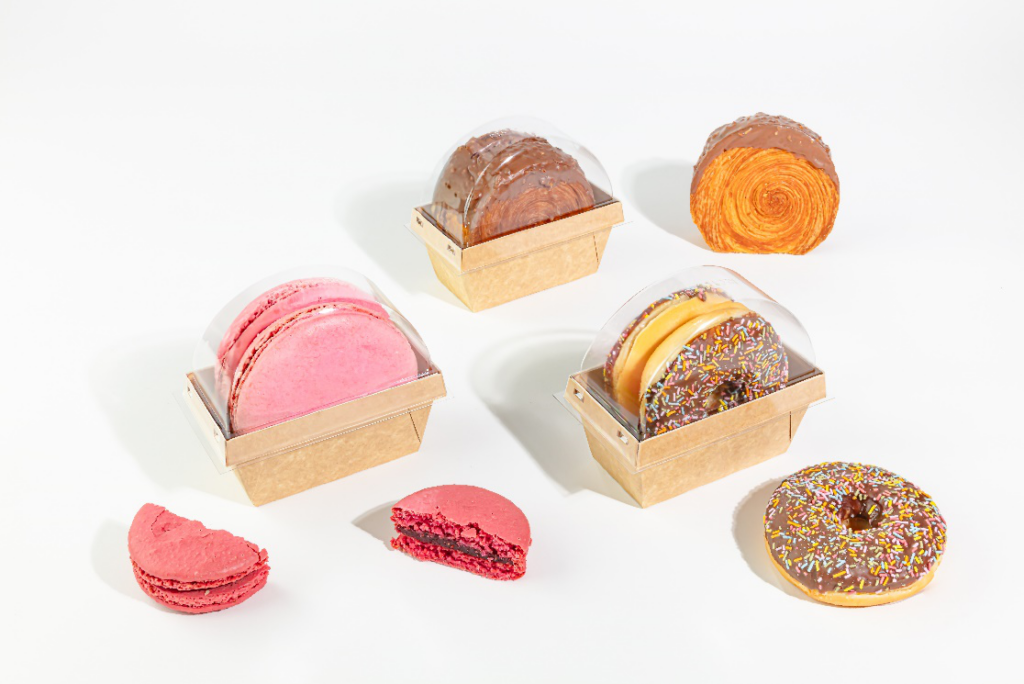
Crafts vs industry: a dual market in Europe
The European market is structured around two models:
- a. Industrial (dominant in terms of volume)
- ~70% of production
- Packaged products, long shelf life
- Supermarket and retail distribution
- b. Artisanal (strong in terms of value and image)
- Very prevalent in France, Italy and Germany
- Fresh products, high quality expectations
Example: In Italy, consumers still prefer fresh bread bought daily
Health, naturalness & sustainability: rapidly growing expectations
European consumers are becoming more discerning:
- A search for healthier products (wholemeal, seeds, nutrition)
- Strong growth in clean label and organic products
- Greater awareness of environmental impact
As a result, packaging is becoming a vehicle for environmental credibility. It must be made from recyclable or compostable materials, contain less plastic and be transparent about its origin.
Segment by channel
| Canal | Attentes clés | Packaging adapté |
| Artisan | Image, qualité | Premium, personnalisé |
| GMS | Logistique, coût | Standardisé, optimisé |
| Snacking | Rapidité, praticité | Fonctionnel, nomade |
| Coffee shop | Expérience | Design + mise en valeur |
Conclusion
The European market for bread and baked goods is anything but static:
- Stable in terms of volume
- Dynamic in value
- Changing in terms of usage
For packaging companies, this translates into a simple reality: demand is skyrocketing… but becoming more complex.
The winners will be those capable of offering:
- solutions tailored to new uses
- genuine added value (experience + image)
- a response to environmental challenges